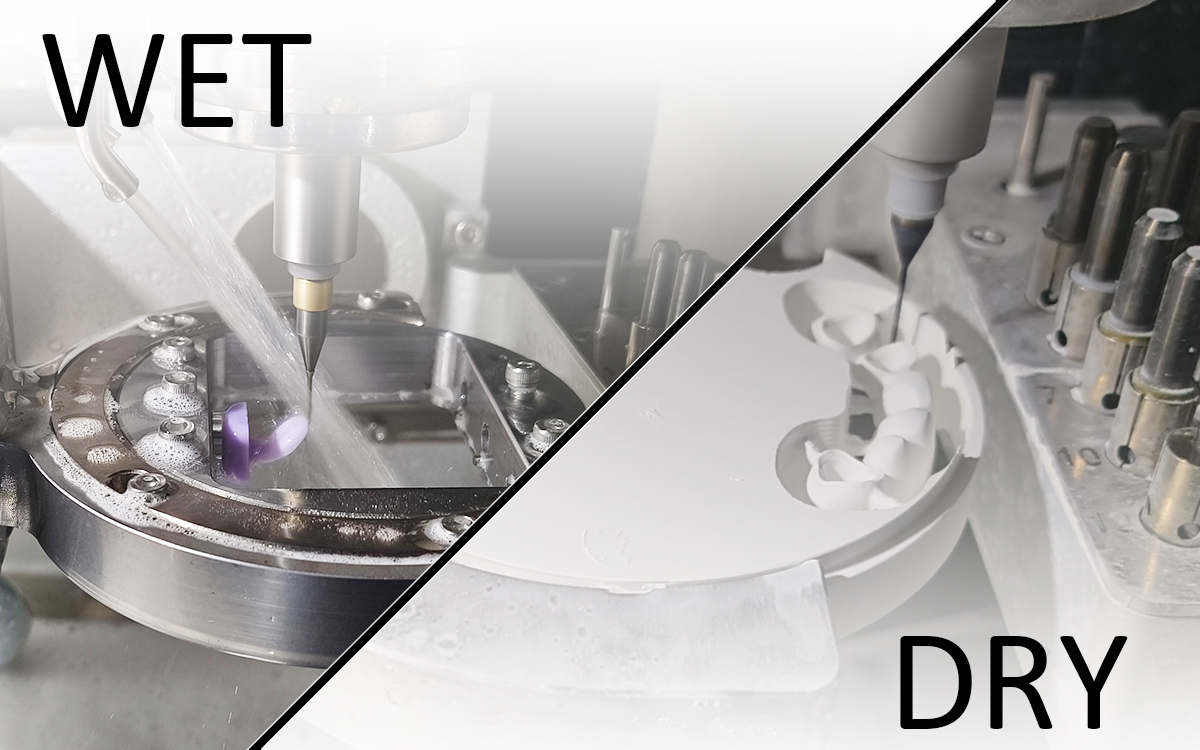
Six Ways to Reduce Zirconia Chipping on Thin Margins
Chipped margins are rarely a machine problem. They come from six controllable variables — here is the checklist our engineers run first.
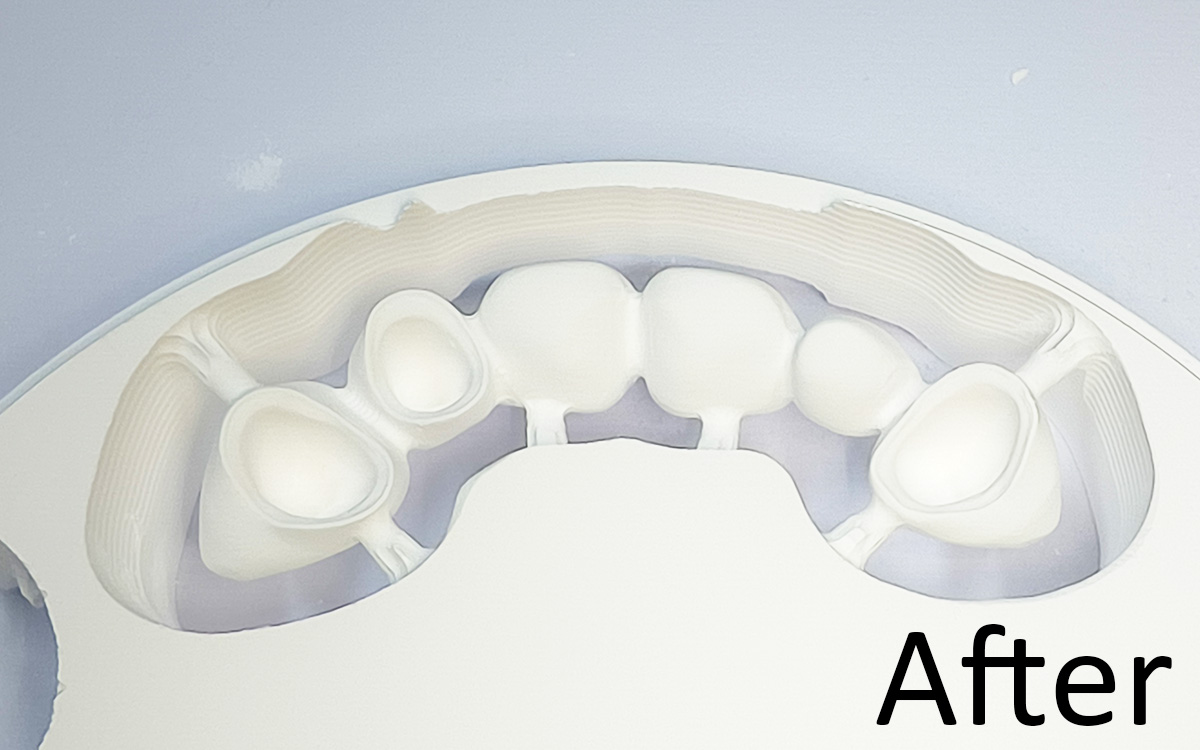
Start with the tool. A worn bur does not cut, it pushes. Replace zirconia burs according to the tool-life counter in the SDM6T controller, and re-measure length after every change — a 0.05 mm error is enough to overload a 0.6 mm finishing bur.
Next, adjust the finishing allowance and step-down. Leave 0.15–0.25 mm for the finishing pass and reduce the final step-down to 0.10 mm. The extra two minutes per unit cost far less than a remake.
Finally, look at nesting and blank quality: keep thin margins away from the disc edge where vibration is highest, and store zirconia discs dry. Combined with correct sintering compensation, these six checks typically cut chipping by more than half in the labs we support.